
The American currency system relies on a sharp divide between common spending money and objects of high value.
Government efforts to push a metal 1 dollar coin as the primary payment method consistently hit logistical and systemic walls.
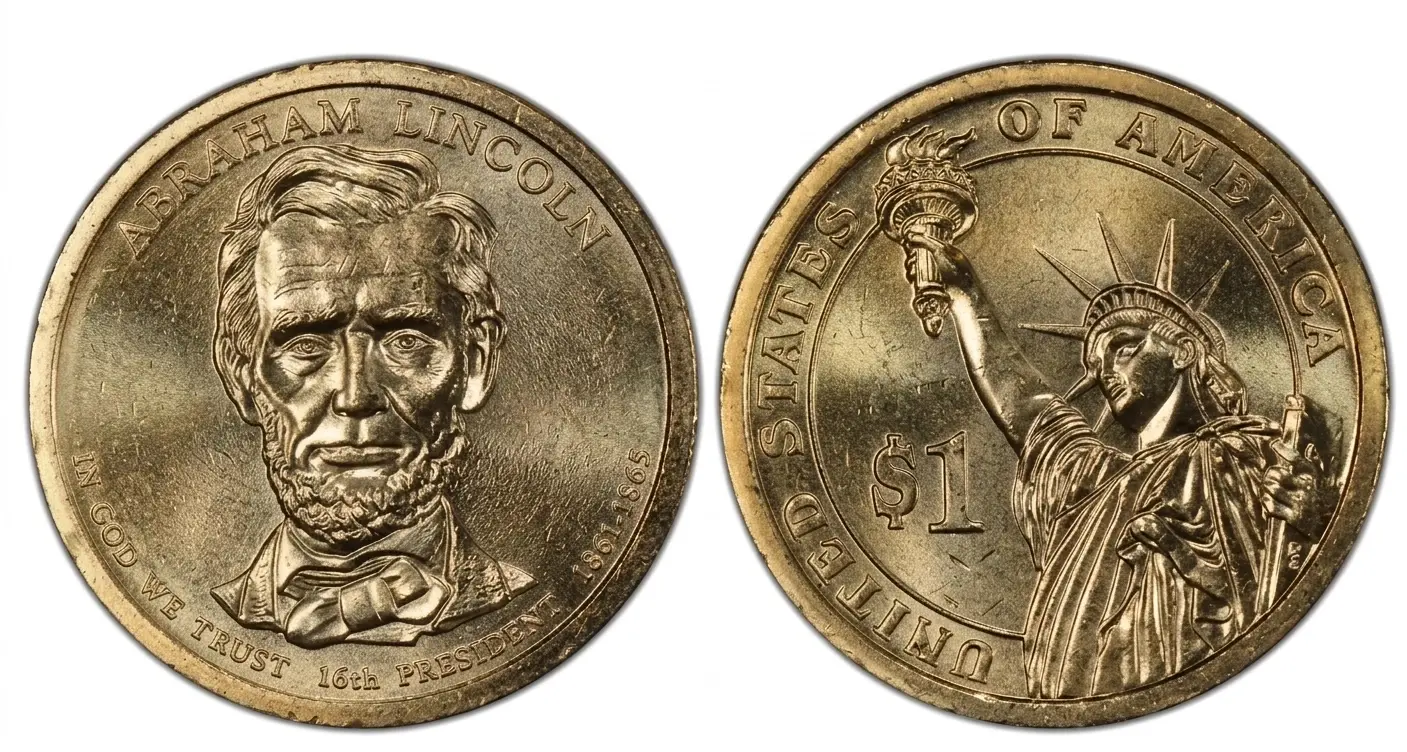
Most low-value cash remains in paper form.
Making money costs money, and these costs dictate long-term government profits.
Paper bills have a short life.
Coins stay intact for many decades.
Feature | $1 Bill | Modern $1 Coin |
Cost to make | $0.06 | $0.18 |
Average lifespan | 6.6 years | 30+ years |
Weight | 1.0 gram | 8.1 grams |
Material | 75% cotton, 25% linen | Copper and brass |
Main color | Green / Black | Golden (from brass) |
Heavier weight creates a logistical burden → Higher transport costs for armored trucks → Increased fuel and vehicle maintenance → Requirement for stronger cash register drawers.
Private businesses would need to invest billions to adjust their infrastructure.
Retail Obstacles and Daily Use
American shops use standard cash trays.
Most registers have five slots for coins and five for bills.
Adding a heavy extra coin breaks this simple sorting system.
Lack of a dedicated slot forces workers to mix different coins.
Mixing different sizes leads to mistakes when giving back change.
Vending machines require hardware updates to accept new designs.
Upgrading millions of machines nationwide costs more than the money saved by minting coins.
Identifying the value by touch is also an issue.
The Susan B. Anthony coin measured 26.5 millimeters.
The Quarter (25 cents) measures 24.26 millimeters.
Small size differences caused constant confusion in dim light.
Market Value vs Face Value
The US coin market splits clearly into spending money and investment assets.
Prices for rare coins show steady growth regardless of inflation.
Investors look for metal quality and rare dates.
Value changes for investment coins over 10 years:
MS65 condition items → 4-7% annual growth
Unique errors and test pieces → 12-15% annual growth
Common coins in pockets → 2-3% loss in buying power (inflation)
Below is a list of record sales for 1 dollar coins, showing their status as capital.
Name / Year | Sheldon Scale Grade | Sale Price | Auction Date |
Flowing Hair (1794) | SP66 | $10,016,875 | January 2013 |
Draped Bust (1804) | Class I | $7,680,000 | August 2021 |
Liberty Head (1885-CC) | MS68 | $132,000 | June 2022 |
Peace Dollar (1921) | MS67 | $72,000 | October 2022 |
High prices come from history and the lack of wear and tear.
Using such items for small purchases is impossible.
Valuable metals disappear from the market.
Gresham’s Law: Bad money drives out good money.
People keep coins, seeing them as potential treasures.
Paper money is viewed only as a temporary tool for trading.
The Failure of the Presidential Dollar Program (2007–2016)
Launching coins with presidential portraits aimed to make the metal dollar popular.
The Mint produced four new designs every year.
The coin checker app data showed very low demand for these coins in stores.
Reasons for the program's failure:
Bank vaults filled with unused metal.
Production for circulation stopped in 2011.
The Mint switched to making coins only for collectors.
Unused coins in Federal Reserve basements reached 1.4 billion pieces.
Storing this metal costs several million dollars annually.
The failure chain: Excess supply → Banks refuse new shipments → Warehouses overflow → Government orders a stop to circulation minting.
Digital Payments and the Future of Cash
Contactless payment growth removes the need for any physical currency.
Cash transactions in the US are dropping.
In 2022, cash was used for only 18% of all payments.
By 2026, this number has declined further.
An 8.1-gram coin loses to a digital wallet on a phone.
The 1-gram bill is still a better backup for a wallet.
Thin profiles allow users to carry many bills in a small space.
Storing the same amount in coins requires a heavy container.
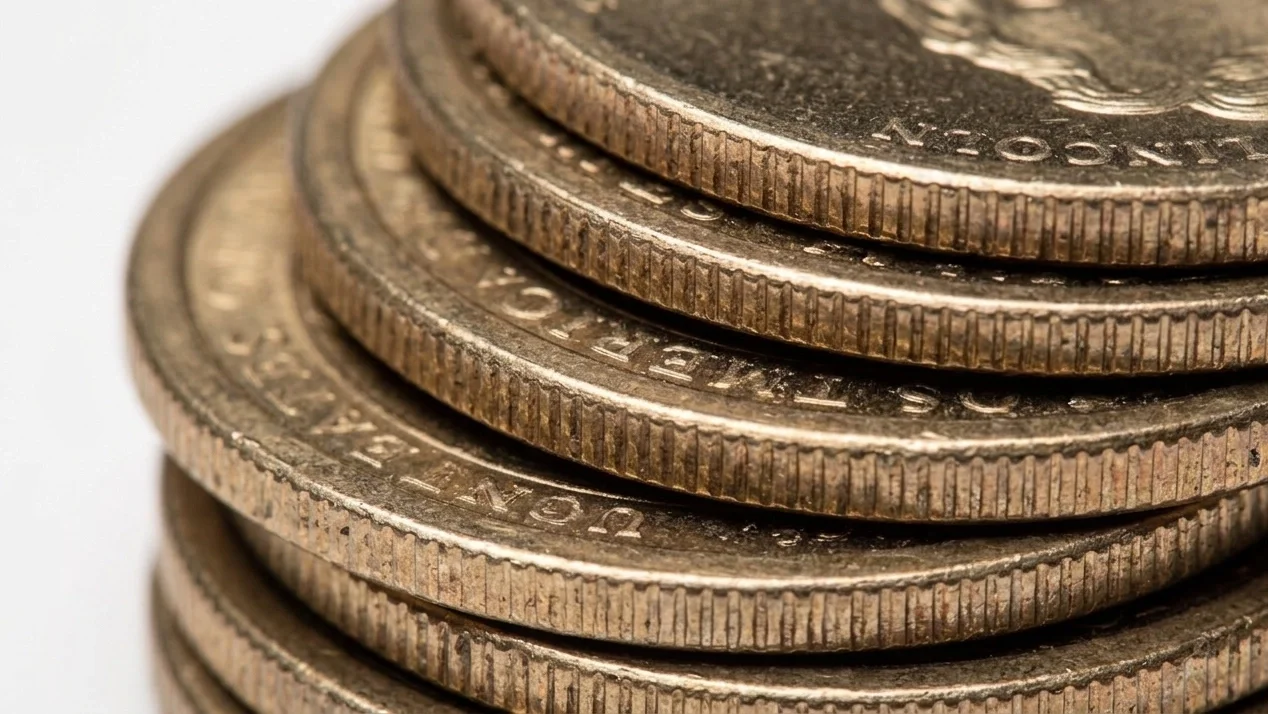
Technical Details and Physical Properties
Coins changed their metal mix to lower weight and costs.
Modern "golden dollars" have no actual gold in them.
Specs for current coins:
Total mass: 8.1 grams.
Thickness: 2.0 millimeters.
Core: pure copper.
Outer layer: copper, zinc, manganese, and nickel.
Brass gives the coin its specific color.
Manganese turns dark quickly when touched by skin oils.
Ugly, dirty coins are less appealing to users.
Paper bills made of cotton and linen stay readable even when worn out.
Rarity and Price Statistics
Market prices depend on mintage numbers and strike quality.
Price trends for Morgan series (90% silver):
1881-S (high mintage): price follows the silver market.
1893-S (low mintage): price rose 200% over the last 15 years for mid-grade pieces.
Top auction results (in US dollars):
Silver Plug Dollar (1794) → $10.0 million.
Bust Dollar (1804) → $7.6 million.
Seated Liberty (1870-S) → $1.0 million.
This coin appraisal app free data shows that 1 dollar coins are either a "heavy weight" in a pocket or a "treasure" in a safe.
No middle ground for convenient spending exists.
Bank Handling and Weight Load
Processing coins requires specialized machines.
Coin counters are more expensive and slower than bill counters.
Daily operational loads:
$1,000 in paper bills → 1.0 kg weight → small size.
$1,000 in coins → 8.1 kg weight → large size.
Moving 8 kilograms instead of 1 kilogram increases the risk of injury for bank workers.
Armored car fees go up.
Transport companies charge based on the weight of the cash.